
Is official World Cup sponsorship still relevant?
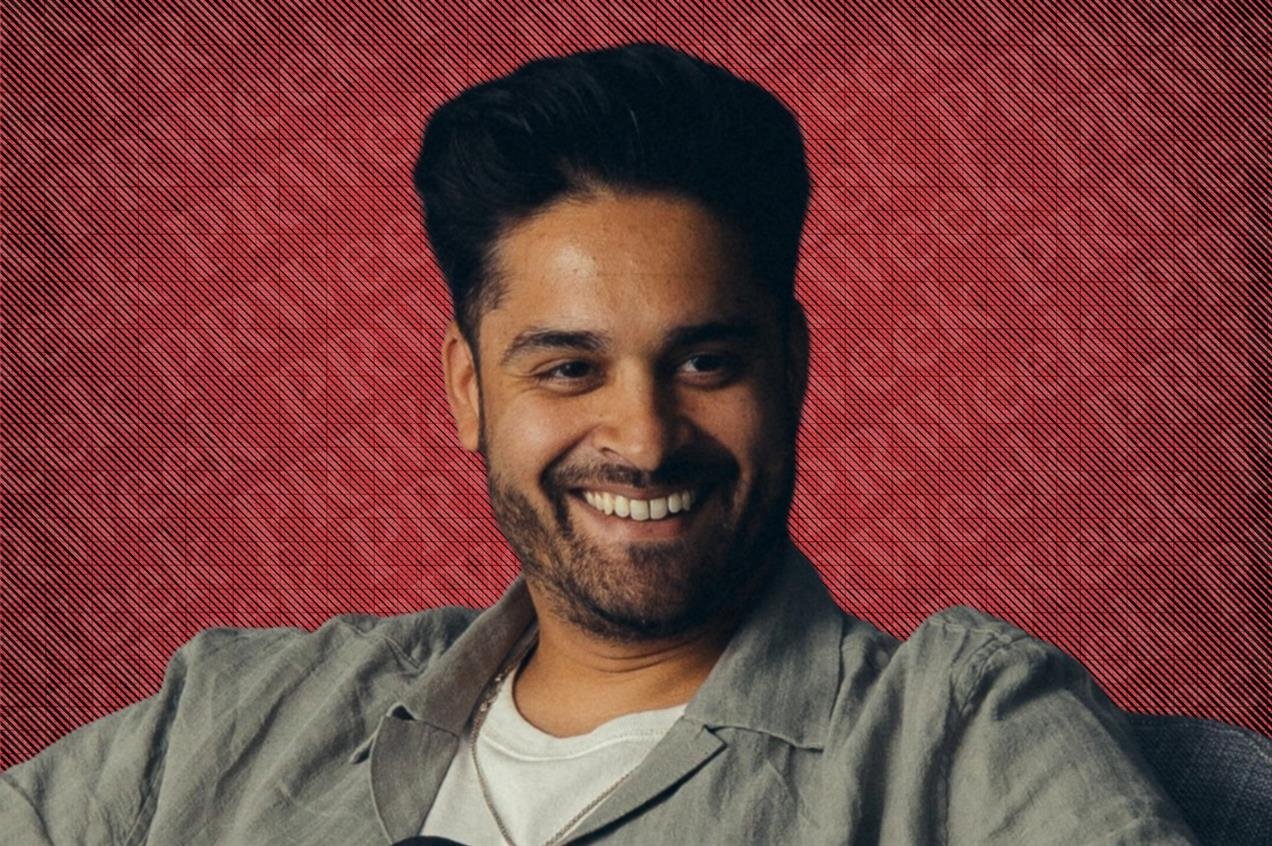
Rights don’t always guarantee relevance, Mischief director Vish Rana told PR Week.
Think back to this year’s London Marathon. The image you’re most likely picturing is Sabastian Sawe holding up an Adidas Adizero Evo trainer displaying his world-record winning time. Adidas became synonymous with the race, yet it wasn’t the official apparel and footwear sponsor – that honour belonged to New Balance.
It’s a useful reminder that owning the rights doesn’t always mean owning the conversation. And nowhere is that more apparent than at the FIFA World Cup.
For over a month, football dominates front pages as well as back pages. It drives conversation in offices, pubs, WhatsApp groups and living rooms. Even those not into football know when the World Cup is on. The last World Cup final, in 2022, attracted an estimated global audience of 1.5 billion.
Therefore it’s not surprising that every brand wants a slice of that pie.
For some (with deep pockets), that means becoming an official sponsor. And on paper, it’s easy to see the appeal. Although official FIFA partnerships can cost millions, in return, brands gain access to official logos, tournament assets, player rights, hospitality opportunities and the ability to publicly associate themselves with one of the most recognisable events in the world.
But here’s the uncomfortable truth: some of the most memorable World Cup campaigns have come from brands operating entirely outside the official sponsorship ecosystem.
That’s because while sponsorship unlocks rights, it also introduces restrictions. There are rules around how trademarks can be used. Rules around talent. Rules around messaging. Rules around activation. Rules around geography. Rules around timing.
The result is that many brands spend enormous sums securing access, only to find themselves navigating layers of approval and compliance that ultimately dilute the creativity needed to stand out. When every official partner has the same assets (and rules), differentiation becomes harder, not easier.
Meanwhile, non-sponsors often enjoy something official partners don’t: freedom. Of course, you need to be careful with what you say and how; finding creative ways to say ‘the World Cup’ without saying ‘the World Cup’ is always a challenge, unless you have some very good lawyers. But these brands can often respond to culture in real time, find fresh angles and creative routes, while not being held back by red tape.
This isn’t ambush marketing in the traditional sense. At least not the kind said lawyers like to talk about. It’s about understanding that major sporting events create cultural moments far bigger than the trademarks that surround them.
Football belonged to fans way before it belonged to rights holders. And when brands tap into genuine fan behaviours, rituals and emotions, they can become part of the conversation without needing to mention FIFA or an official logo.
Nike’s long history of World Cup campaigns demonstrates this perfectly. Despite not having official rights, the brand has repeatedly produced some of the most talked-about football marketing in the world by focusing on players, stories and culture.
The most effective PR activations during major tournaments do well because they solve fan tensions, create entertainment or generate discussion around the event rather than directly referencing it.
The lesson isn’t that sponsorship is dead, but the brands that win major cultural moments today aren’t necessarily the ones with the rights.